

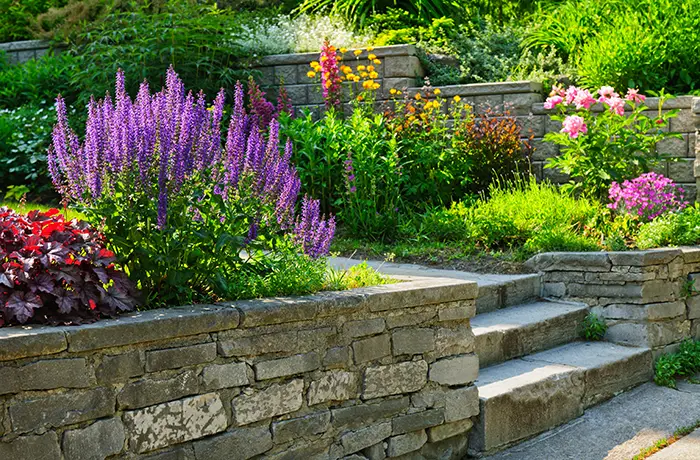
What Retaining Walls Actually Do
At its core, a retaining wall holds back soil on a slope, preventing erosion and controlling how water moves through a property. Without one, sloped yards tend to shed topsoil during rain, develop uneven settling near foundations, and limit where anything can actually be built.
A retaining wall changes that equation. It creates level, usable ground on what was once unusable grade, and it does so in a way that is engineered to handle years of soil pressure, water exposure, and seasonal shifts.
How Retaining Walls Complement Backyards and Landscapes
The structural benefits are only half the story. Retaining walls also shape how a backyard functions and feels.
Terracing and Tiered Space
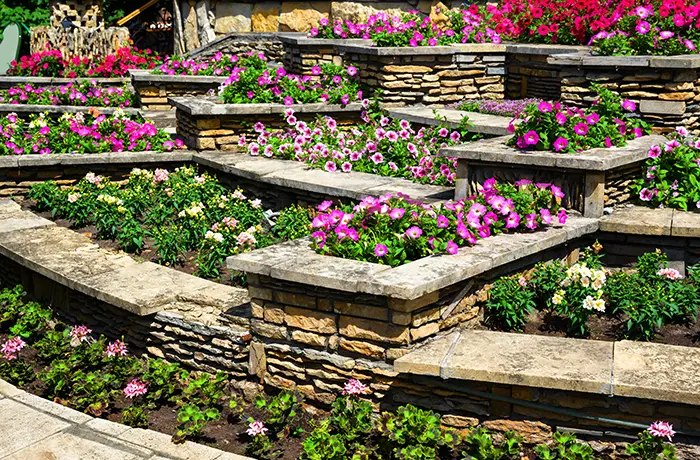
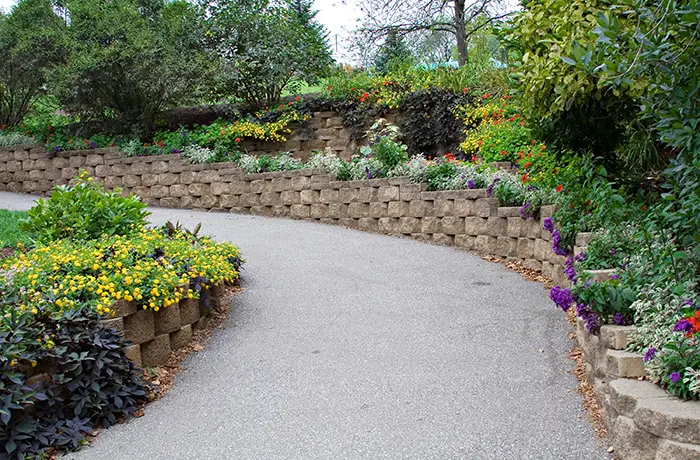
On sloped lots, a series of retaining walls can carve out multiple flat zones instead of one steep hillside. This opens the door to tiered patios, separate entertaining areas, or a dedicated garden level that would not exist otherwise.
Seating and Gathering Areas
A retaining wall built at the right height doubles as built-in seating around a fire pit or outdoor kitchen, adding function without adding separate furniture or clutter.
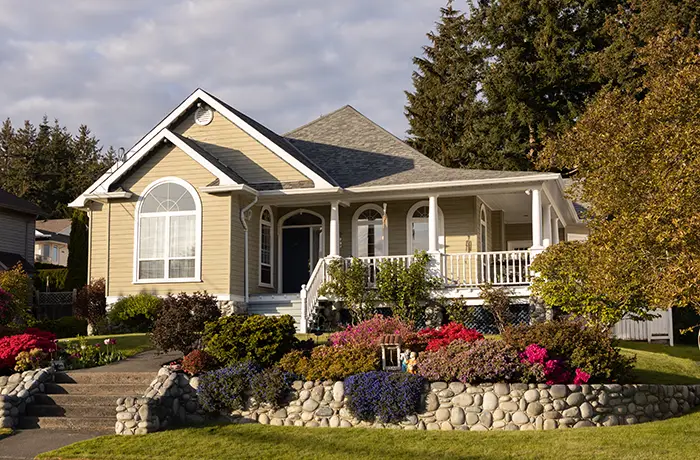
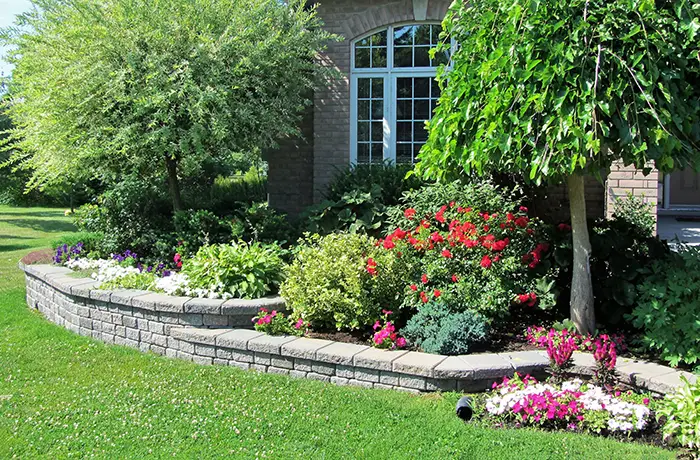
Planter Beds and Greenery
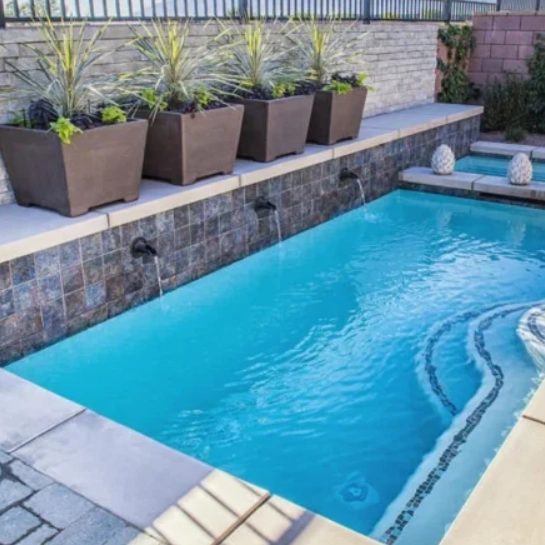
Raised planter walls give homeowners a cleaner, more structured way to introduce landscaping, succulents, or drought-tolerant plants without soil constantly washing downhill.
Defined Zones
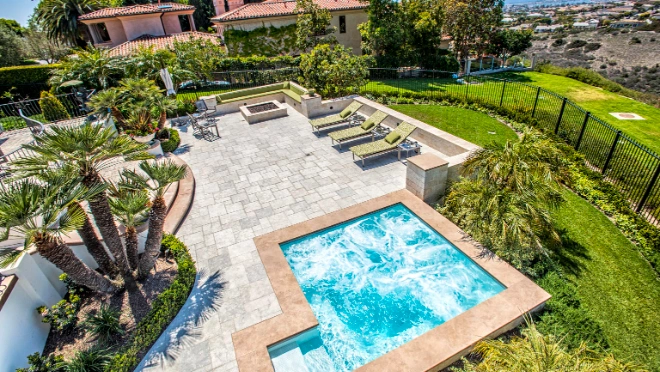
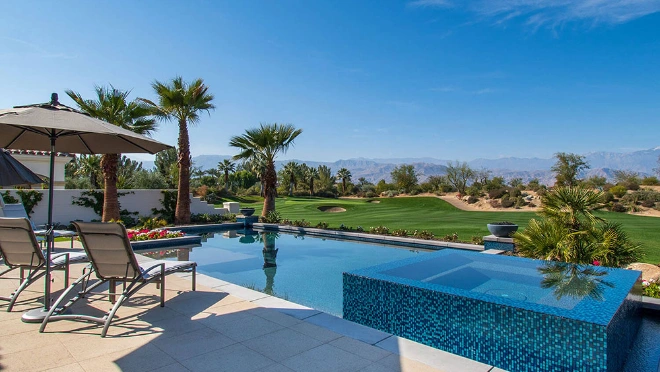
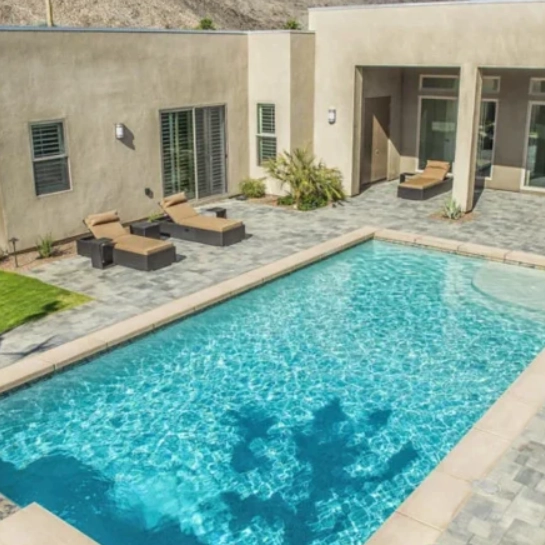
Retaining walls act as natural dividers between a pool area, a dining space, and a lawn or turf section, giving a backyard a sense of intentional layout rather than one continuous open slope.
Property Value
A yard that was previously too steep or awkward to use can become a genuine extension of livable square footage, which matters both for day-to-day enjoyment and for resale.
Retaining Walls in Coachella Valley, CA
Coachella Valley properties often deal with sandy, loose soil and the kind of intense, infrequent desert rainfall that can move a lot of ground in a short time. Retaining walls here need to manage flash-flood-style drainage while standing up to prolonged heat exposure.
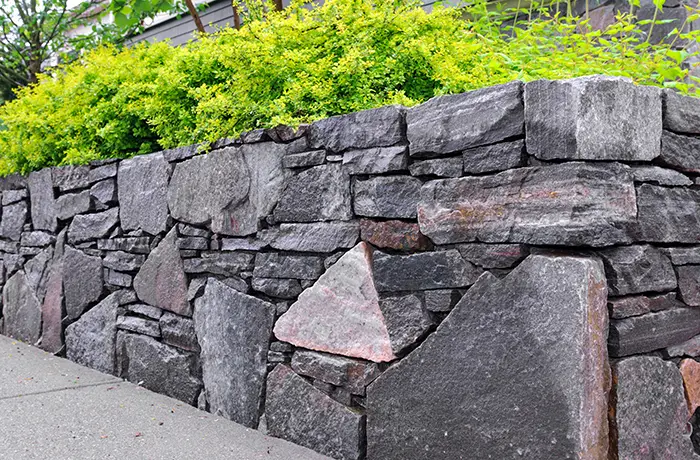
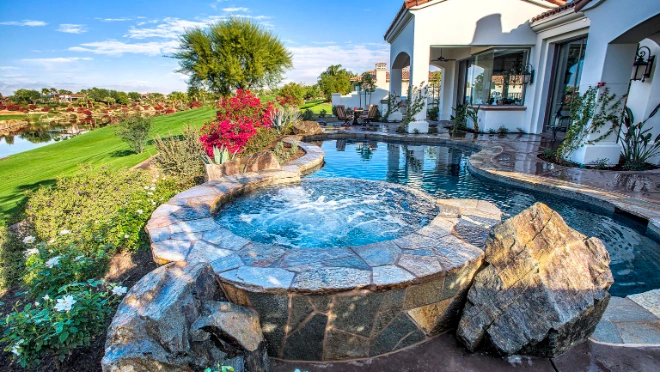
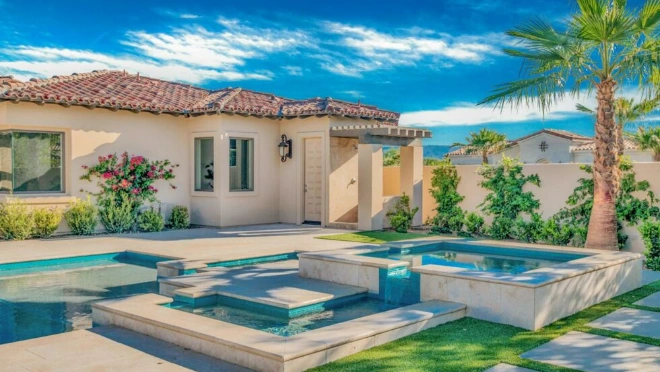
Teserra builds walls suited to this climate, using materials that hold their color and structure under the sun without cracking or shifting, and positions them to work alongside pools, paver patios, and other hardscape features that are already common in the area.
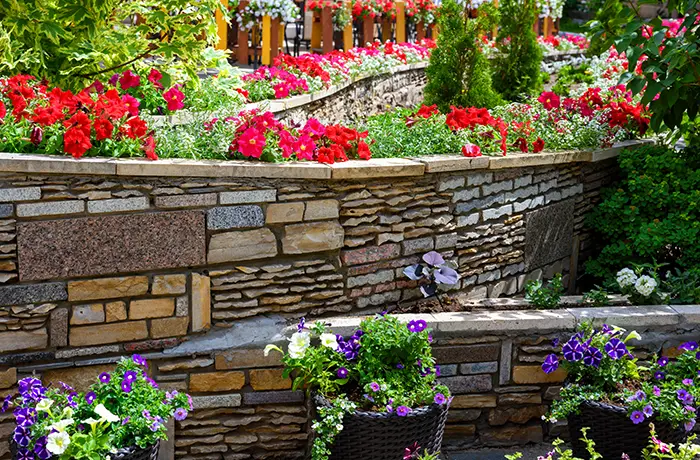
Retaining Walls in Orange County, CA
Orange County brings a different set of terrain challenges, particularly on hillside lots and properties near coastal bluffs where erosion control is a genuine concern rather than a design afterthought. Retaining walls in this region need to integrate with established landscaping, mature trees, and existing grading, all while providing real soil stabilization.
Teserra approaches each Orange County project with an eye toward blending the wall into the surrounding landscape, so it reads as a natural part of the yard rather than a purely functional add-on.
Why Homeowners Choose Teserra for Retaining Walls
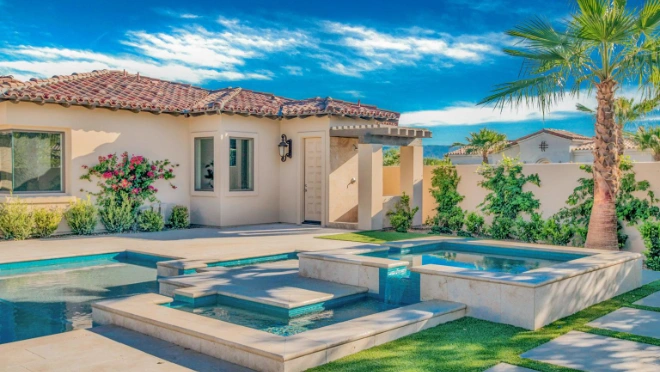
Retaining walls rarely exist in isolation, and Teserra treats them as part of a larger backyard vision rather than a standalone project. Because Teserra also builds patios, pavers, outdoor kitchens, fire features, and pool decks, a retaining wall gets designed to work with everything else happening in the yard, not around it. That full-service approach means the wall, the hardscape, and the surrounding landscaping all get planned together from the start.
For over four decades, Teserra has designed and built breathtaking outdoor retreats.
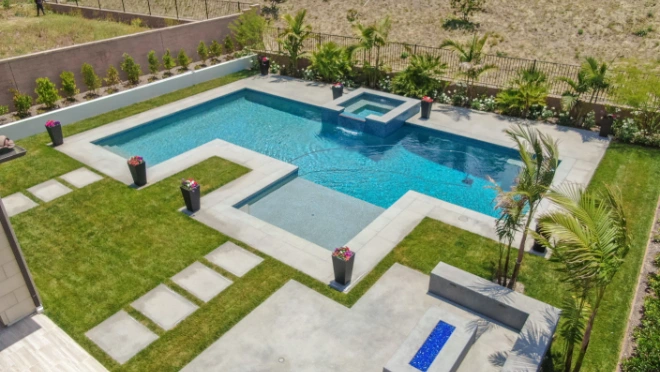
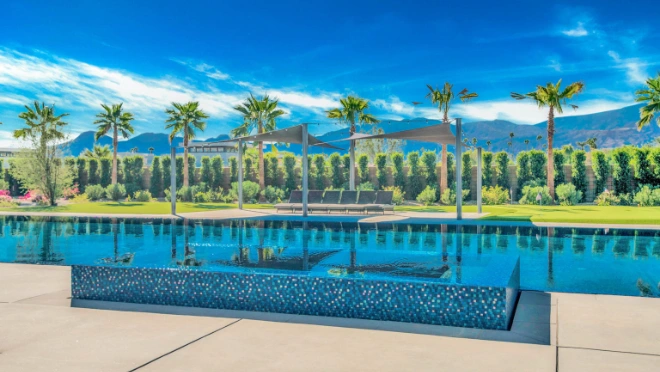
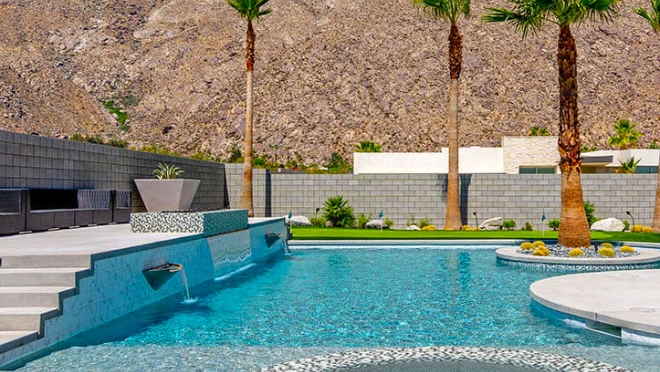
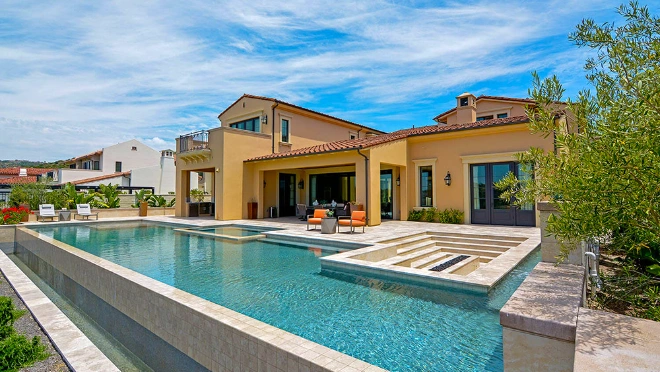
Southern California isn’t just a geographically defined region, it’s a way of life. And perhaps no swimming pool design company has done more to enhance that enviable lifestyle than Teserra, from Irvine and Orange County to Palm Springs and Coachella Valley. From that refreshing midnight dip on a warm summer night to that soothing soak on a sun-drenched afternoon in February, it’s a way of life worth celebrating.

Frequently Asked Questions
How much does a retaining wall typically cost?
Cost depends on wall height, length, material choice, and site accessibility. Taller walls and those requiring engineering review generally cost more due to the added materials and reinforcement involved.
What materials are used for retaining walls?
Common options include concrete block, natural stone, and poured concrete. Material choice affects both appearance and long-term durability, so it is worth matching the material to the local climate and the rest of the landscape.
Do retaining walls require a permit?
Many jurisdictions require permits for walls above a certain height, particularly when they affect drainage or sit near a property line. Teserra can help handle the permitting process as part of the project.
How do retaining walls handle drainage?
Proper retaining wall construction includes drainage systems behind the wall, such as gravel backfill and weep holes, to relieve water pressure and prevent failure over time.
How much maintenance does a retaining wall need?
Retaining walls are largely low-maintenance once built correctly. Periodic inspection for drainage blockages or minor settling is usually all that is needed to keep the wall performing for decades.

Locally Serving Southern California’s
Coachella Valley & Orange County


Tim Henriques
Bette Johnson
S Meier

Could not be more pleased! We started with the Teserra team before we even selected a property. Everyone on the Teserra team (John Hardwick, Brock Berry, and Jessie Martinez) plus all the providers they chose were wonderful.
Barb Riker
Ryan Kindel at Teserra was very knowledgeable about my pool remodel. I had 7 bids and chose Teserra because Ryan Kindel was very informative about every aspect of my pool remodel more so than any of the other pool companies, and was able to work within my price range!!!
Delanda Clark
Brian Staples
Jane Everett

Google Guaranteed: we are a screened and qualified Google-backed business. After being reviewed by Google, they have awarded us this badge because we’re a trustworthy, legitimate business. Not all companies can pass the Google Guarantee.

Get Started on Retaining Wall Construction With Teserra
For homeowners in Coachella Valley and Orange County, California, looking to solve a sloped or eroding yard, Teserra builds retaining walls that combine structural reliability with genuine design value. Contact us today to learn more!